Categories / Smartwatch & Accessories
Smart watches
29 of 29 products


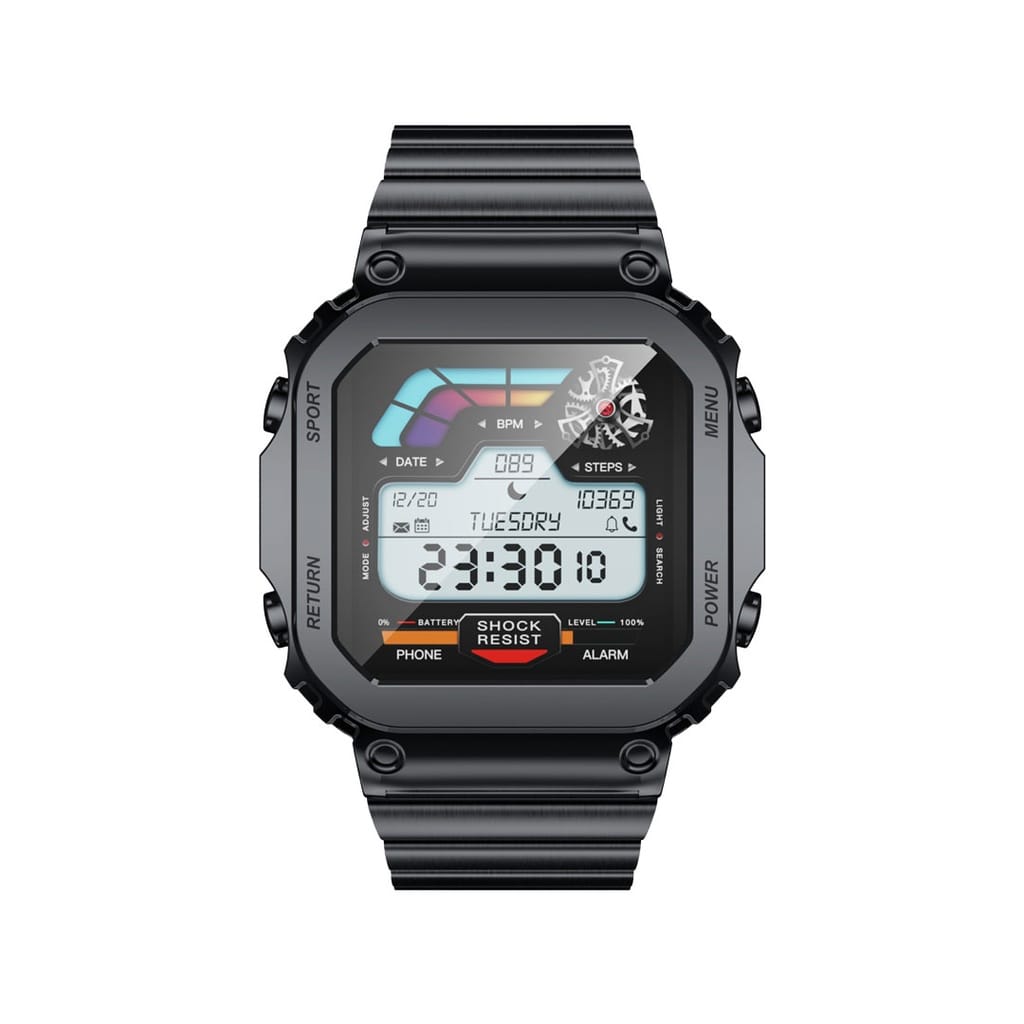
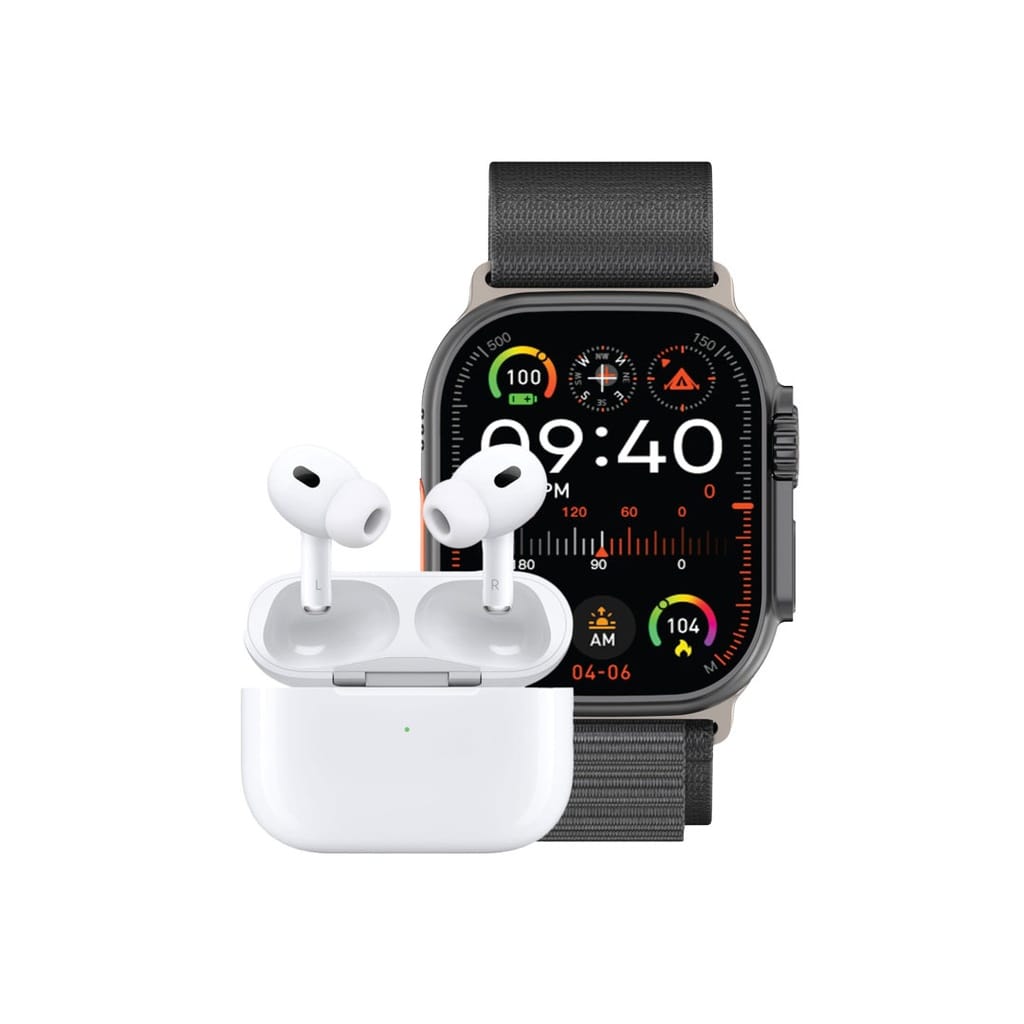

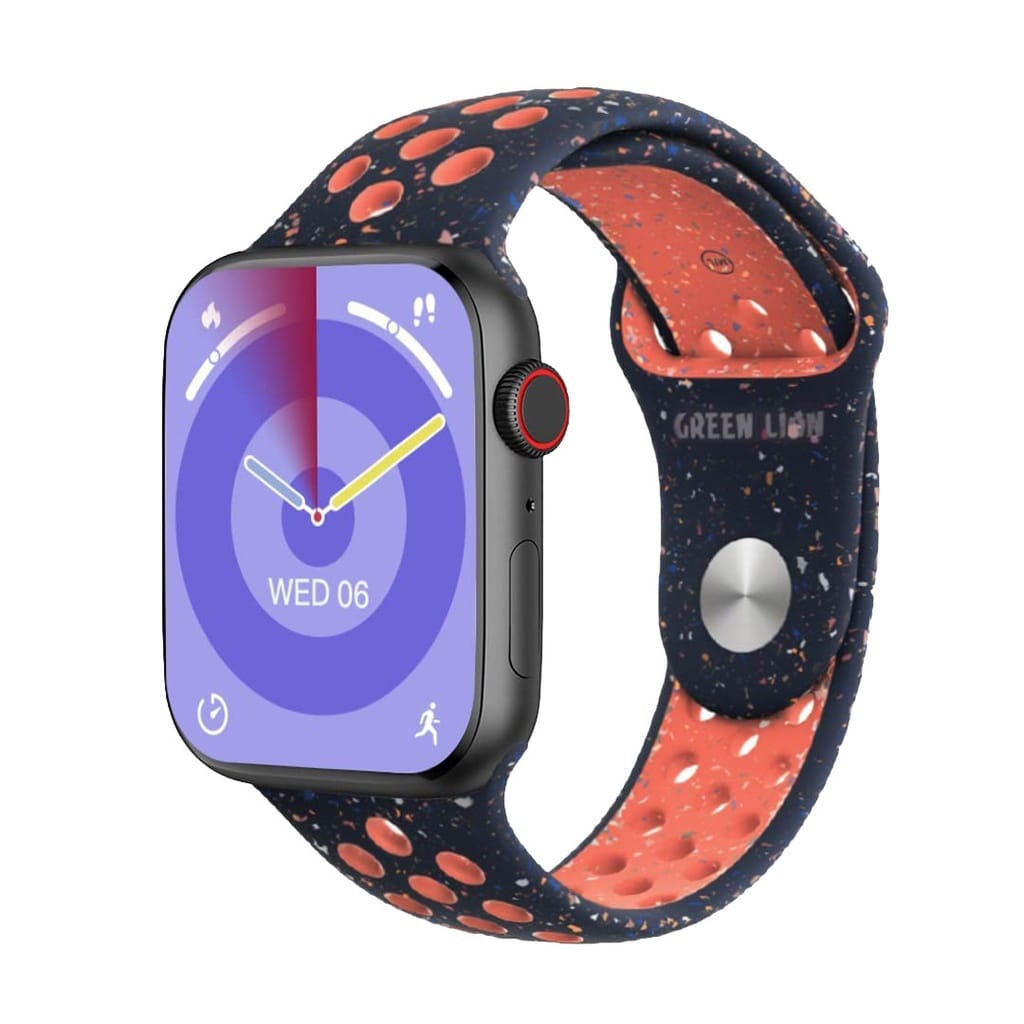
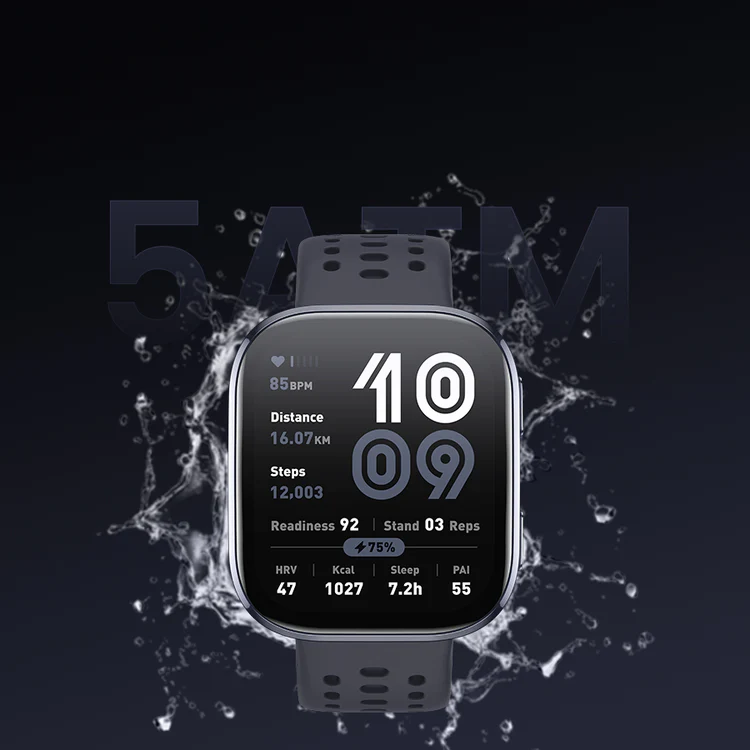








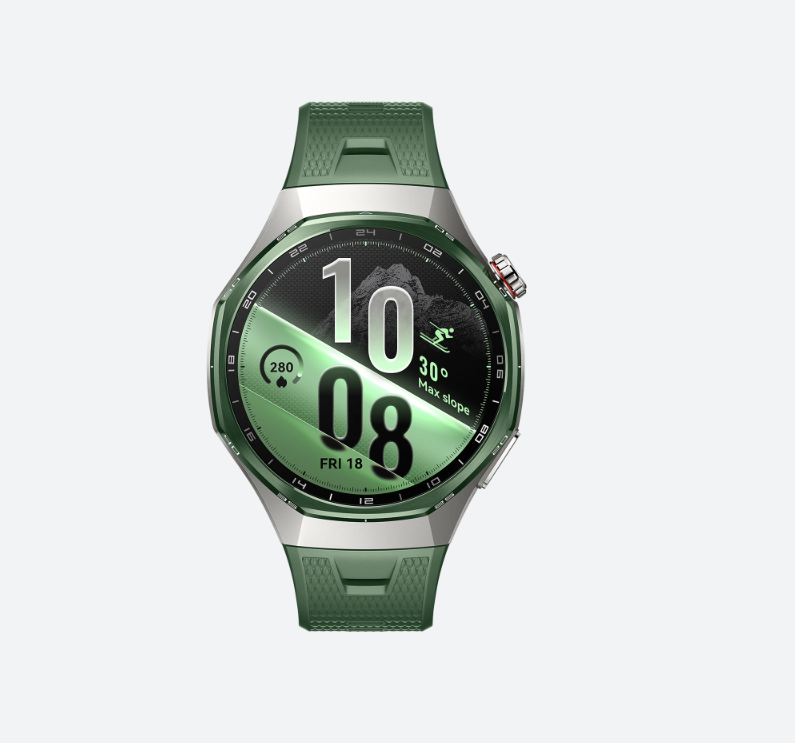
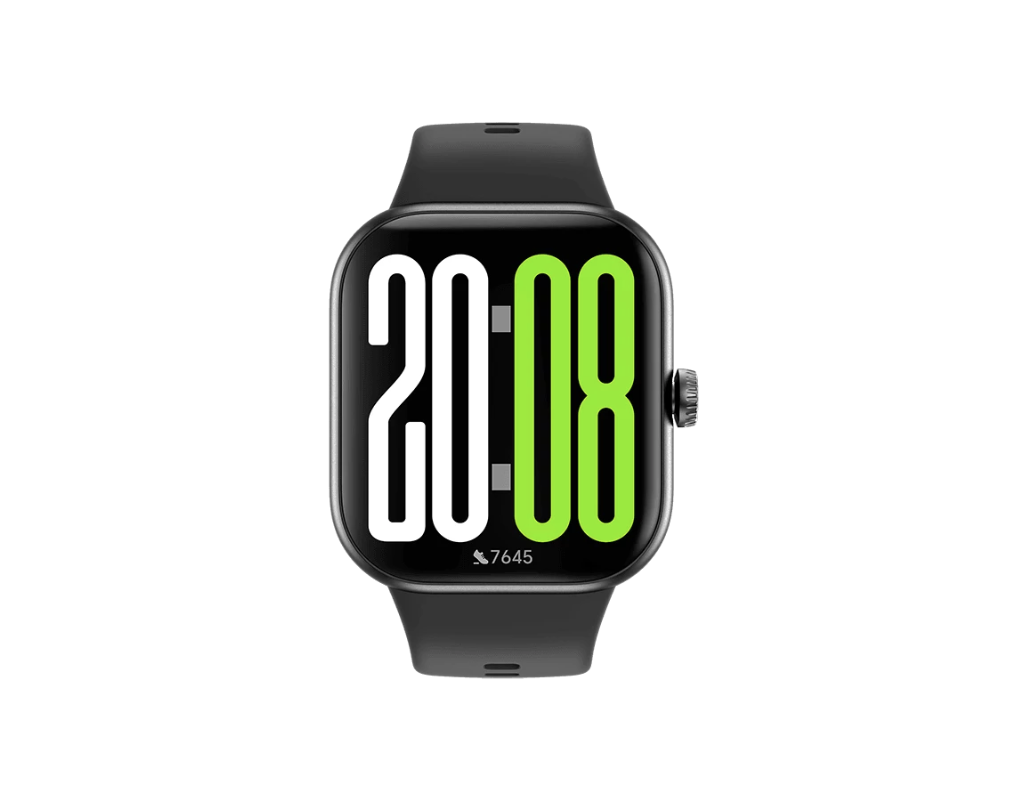
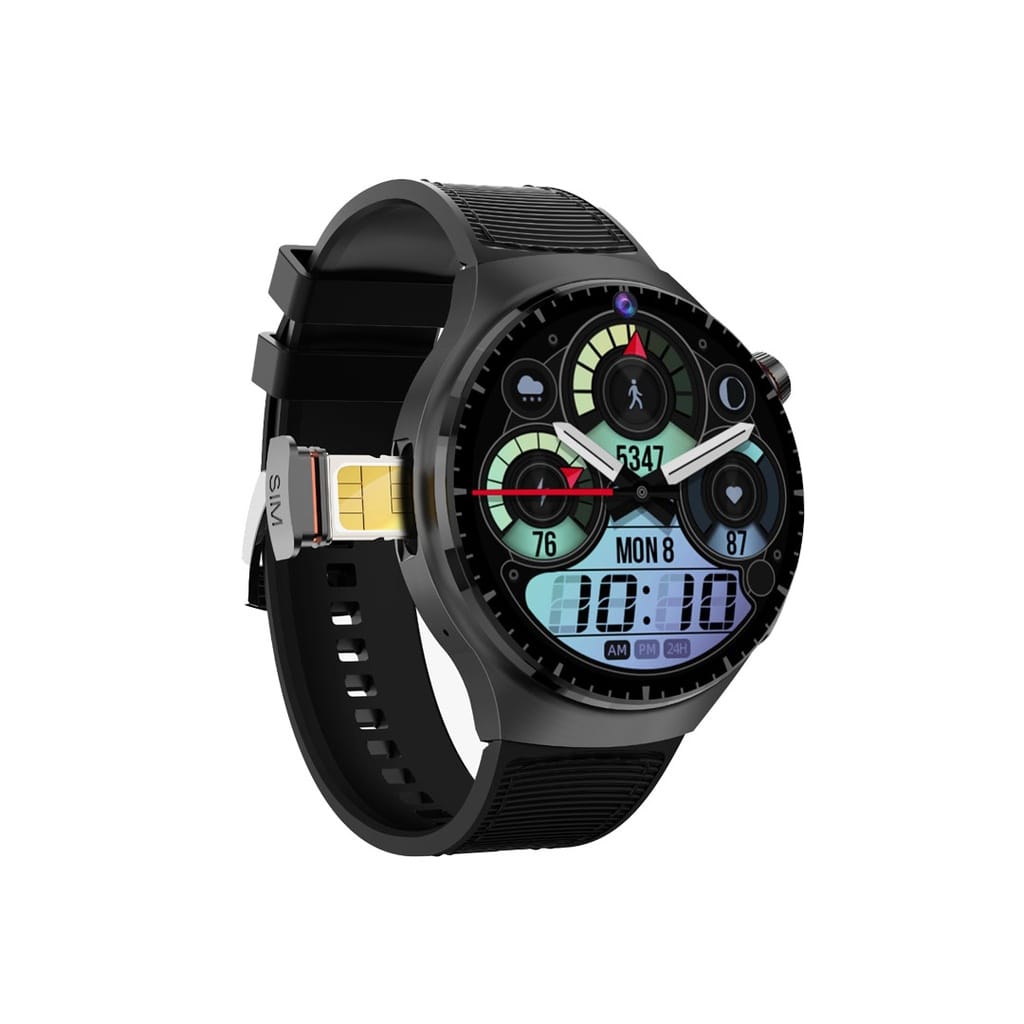
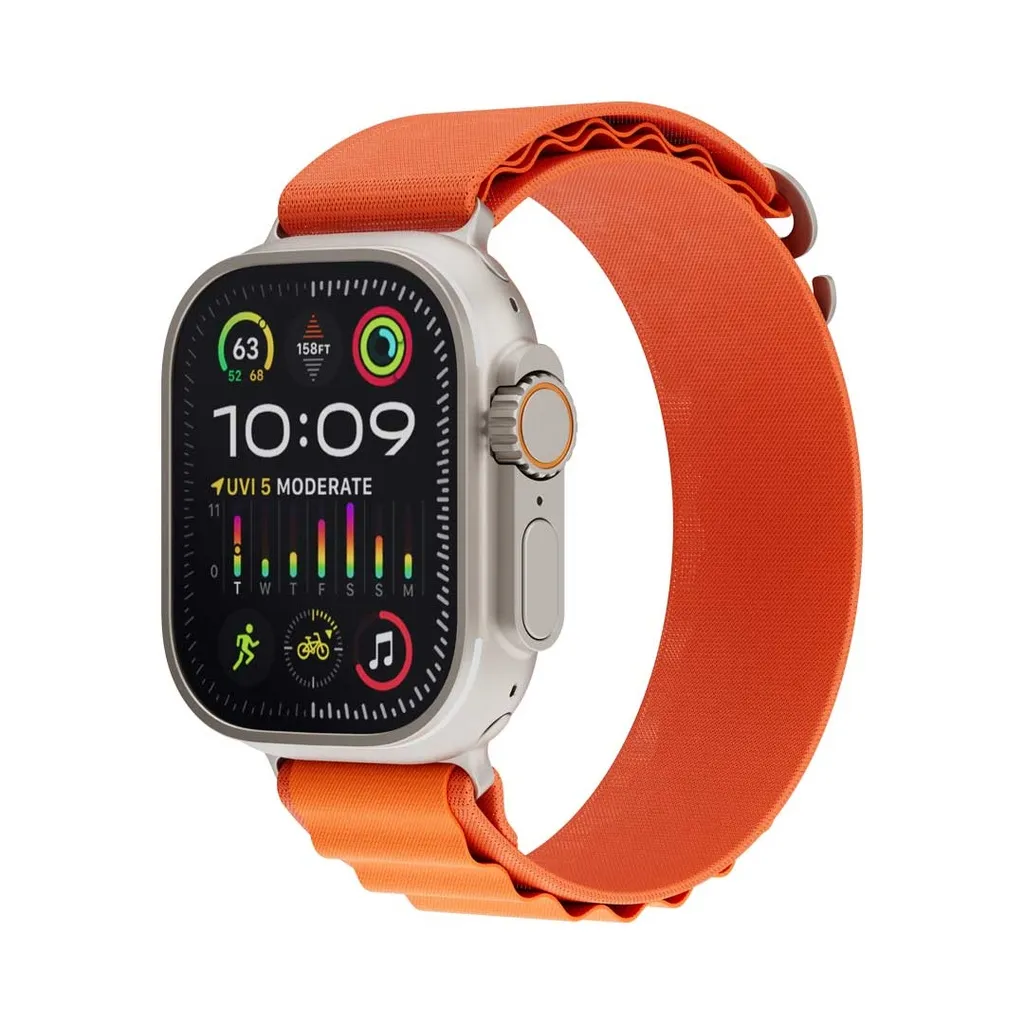
Out of stock — restocking soon20








Buying guide
A smartwatch is a fitness tracker, a notification screen and a phone replacement for calls, and you should decide how much of each you want before choosing a screen size.
The screen is the biggest everyday difference. AMOLED displays look markedly better in direct sunlight, which matters for an outdoor run in Dubai; LCD panels are dimmer but cheaper and last longer on a charge. Below 1.4 inches a watch is discreet and easy to sleep in; 1.6 to 2 inches reads better for maps and messages. Beyond that you are carrying a small phone on your wrist.
For fitness, GPS is the decisive feature. Without it, distance, pace and route come from your phone's GPS, which means the watch must be on your phone and it cannot track a run on its own. Heart rate, SpO2 and sleep tracking are standard across the range now.
Battery life is the trade-off with AMOLED. An AMOLED watch with GPS typically gives one to two days; a low-power LCD watch with no always-on display gives seven to fourteen. If you will not charge it every other night, prefer the latter. All models work with both iOS and Android, but check that the companion app is the one you want before you commit, and note that some brands gate deeper analytics behind a paid subscription while the core tracking works without one.
Frequently asked questions
Which smartwatch is best for running and outdoor workouts?
For running outdoors, look for built-in GPS so the watch tracks distance and pace without your phone, and for an AMOLED panel so the screen stays readable in direct sun. A larger 1.6 inch or above case gives you a quicker glance at pace and heart rate mid-run. Always check the water resistance rating against sweat and swimming.
Will these smartwatches work with my iPhone and my Samsung phone?
Yes — every watch in this category pairs with both iOS and Android over Bluetooth. What differs between models is the quality and stability of the companion app, so check which app each watch uses and read its current store rating before ordering. Existing phone data is not transferred automatically; most apps re-pair and re-sync from scratch.
How long does the battery last on a smartwatch?
Expect one to two days on an AMOLED model with GPS and always-on display switched on, and seven to fourteen days on a low-power LCD model with the screen off. Continuous GPS drains the battery fastest. Every listing states the manufacturer's quoted battery life so you can compare directly.
Do I need to pay a subscription for the health features?
Not for the core tracking. Heart rate, SpO2, steps, sleep and workout logging all work without a subscription. Some brands gate deeper analytics, long-term trend reports or workout plans behind a paid tier. We note where that applies so you are not surprised by a recurring charge later.