Categories / Mobile Phone & Accessories
Lens Protectors

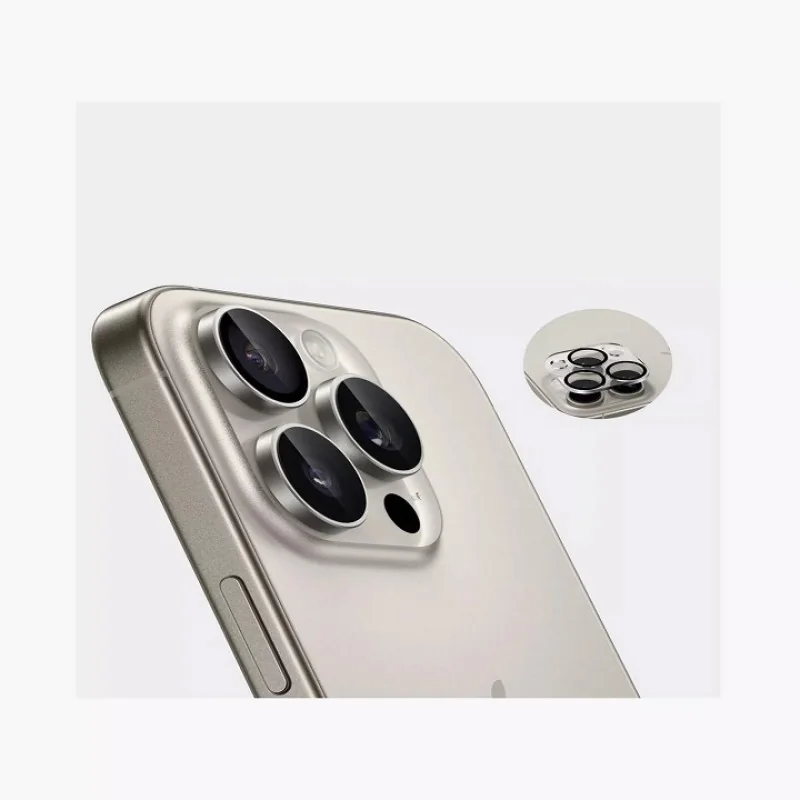
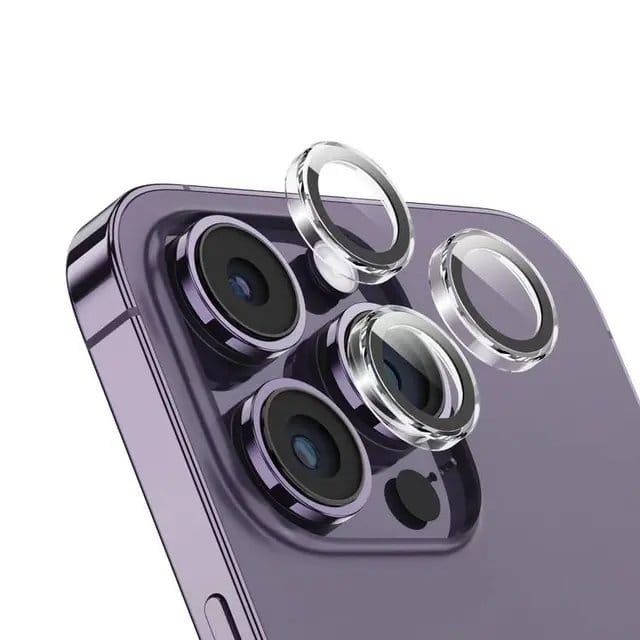
Buying guide
A camera lens protector is a small piece of glass or hard film that sits over the camera lenses on the back of a phone. It takes the hits that would otherwise scratch the lens, for a fraction of the cost of a lens replacement. On an iPhone the main lens sits slightly proud of the rear glass, so it touches first when the phone is laid flat.
What you are protecting is a stack: cover glass over the lens, then the lens element, then the sensor. A scratch on the outermost layer scatters light, showing as haze in night shots and a soft flare in daylight. Once the lens element itself is scratched, no case fixes it and the camera never returns to factory sharpness.
The two materials are glass and film. Tempered glass gives the best scratch resistance and the same optical clarity as bare glass, but it is rigid, so a hard impact can chip it. Film is thinner and absorbs a scuff rather than cracking, but it hazes faster.
Fit is everything. A protector is sized to one exact model and one exact camera module — the iPhone 16 Pro Max and the iPhone 16 Pro have different camera arrangements, and a protector cut for one will not fit the other. Check the model number before ordering, and look for an alignment tray: applied by feel, a protector traps bubbles, and a bubble on the main lens shows in every night shot.
Frequently asked questions
Does a camera lens protector affect photo quality?
A good one does not. Tempered glass with a high-transparency coating is optically clear, and the difference between a coated protector and bare glass is invisible in daylight. The visible problems come from cheap film with a soft coating, which hazes over time, and from air bubbles trapped during application. A correctly sized, bubble-free protector leaves image quality unchanged.
Is a lens protector still needed if I use a phone case?
Yes. A case protects the body and the edges, but it does not stop grit from scrubbing across the lens when the phone is in a pocket or lies flat on a table. The lens is the part of the back of the phone that protrudes furthest, so it takes contact first. Most people use a case and a lens protector together for exactly this reason.
Which model do I need for my phone?
The protector must match both the phone model and the camera layout. The iPhone 16 Pro Max, the iPhone 16 Pro and the iPhone 16 have different camera arrangements, so a protector cut for one will not sit flat on another. Find your exact model under Settings, General, About, and check the listing before you order. If it says 'Pro Max', it is not the same as 'Pro'.
How do I apply it without bubbles?
Use the alignment tray or frame if the box has one — that is what it is for. If there is none, clean the lens glass and the protector with the supplied dust sticker, work in a dust-free room, and peel the film slowly from one corner while lowering it rather than dropping it flat. Bubbles in the centre of the main lens are the ones you will see in every night shot, so take your time.