Charging Cables
8 of 8 products


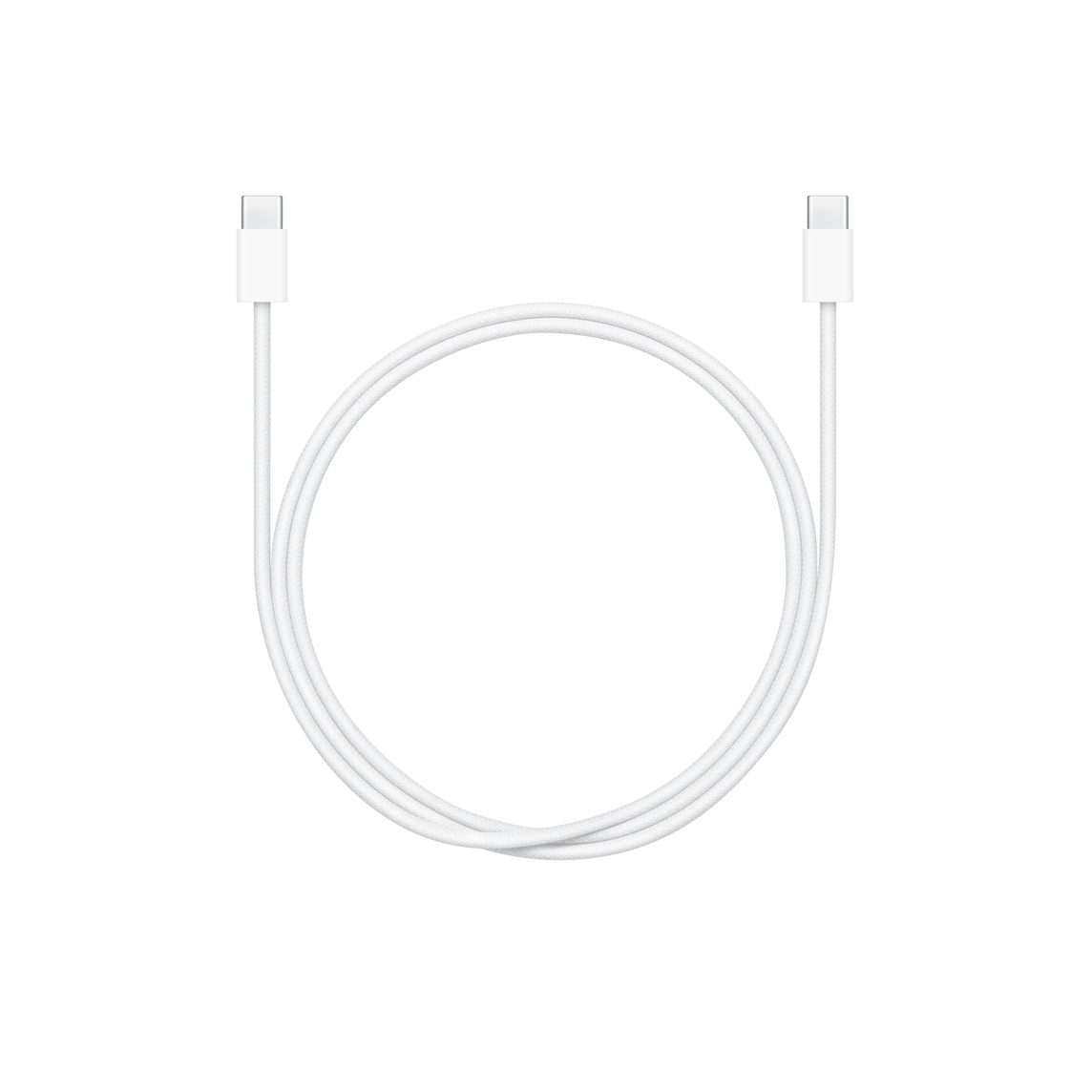
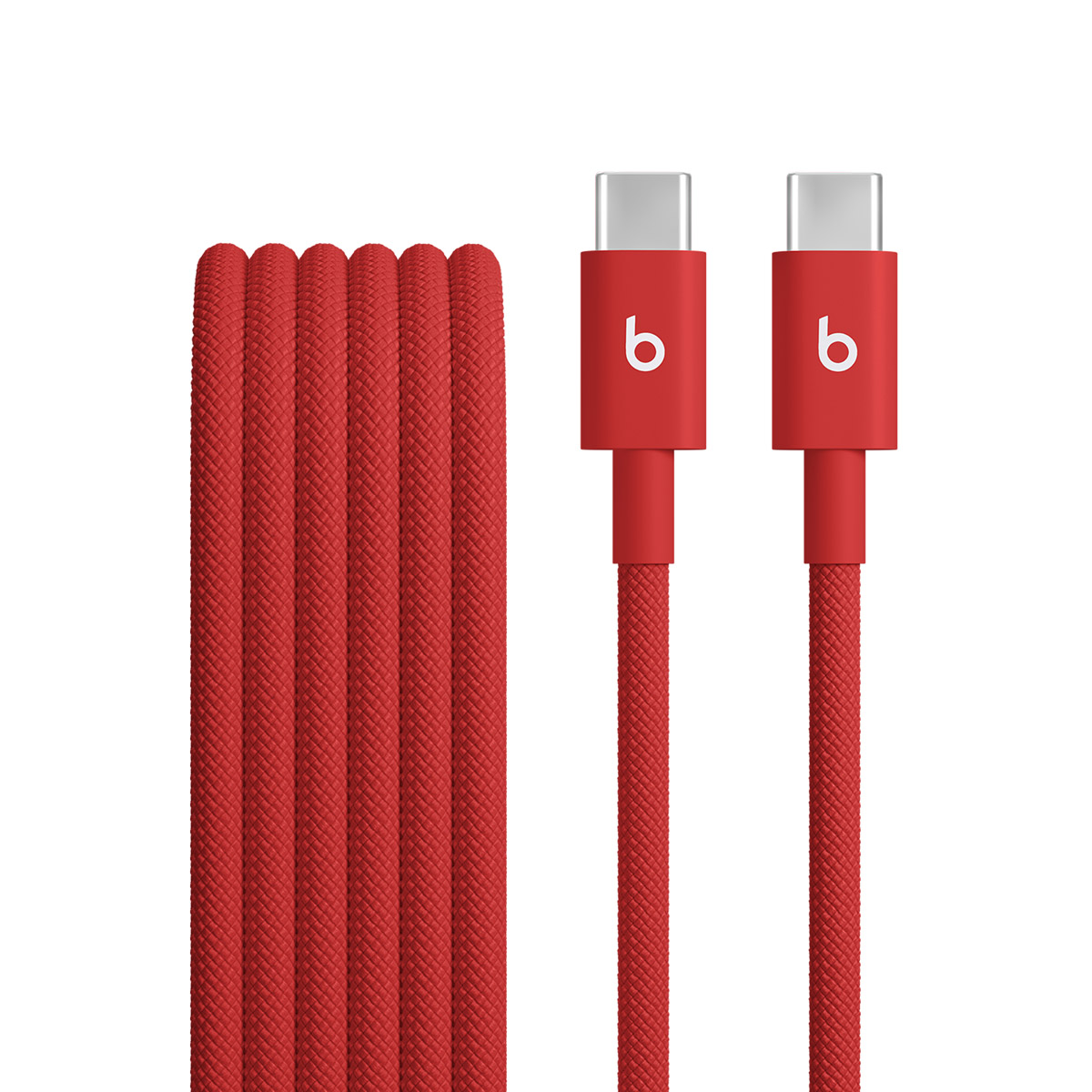
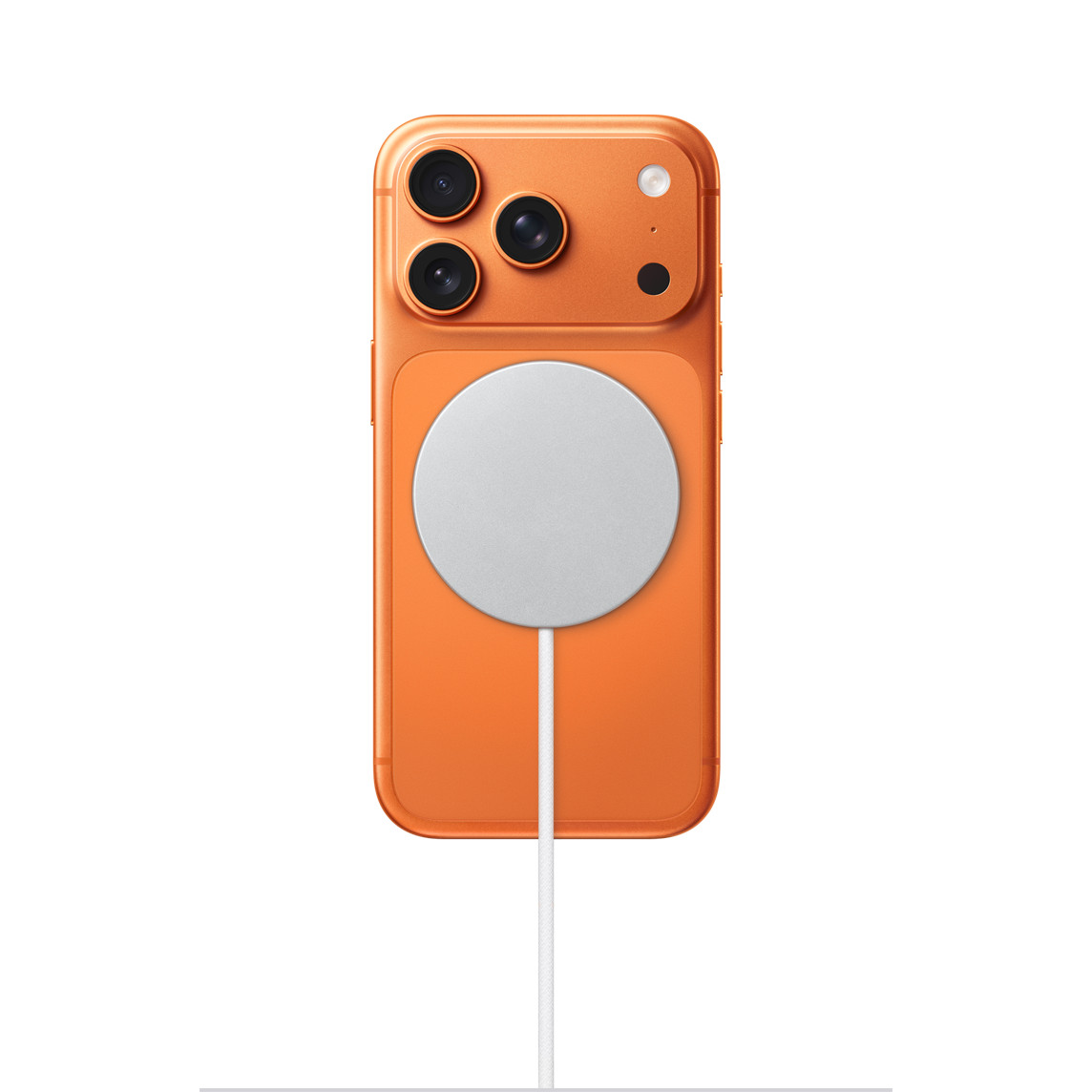
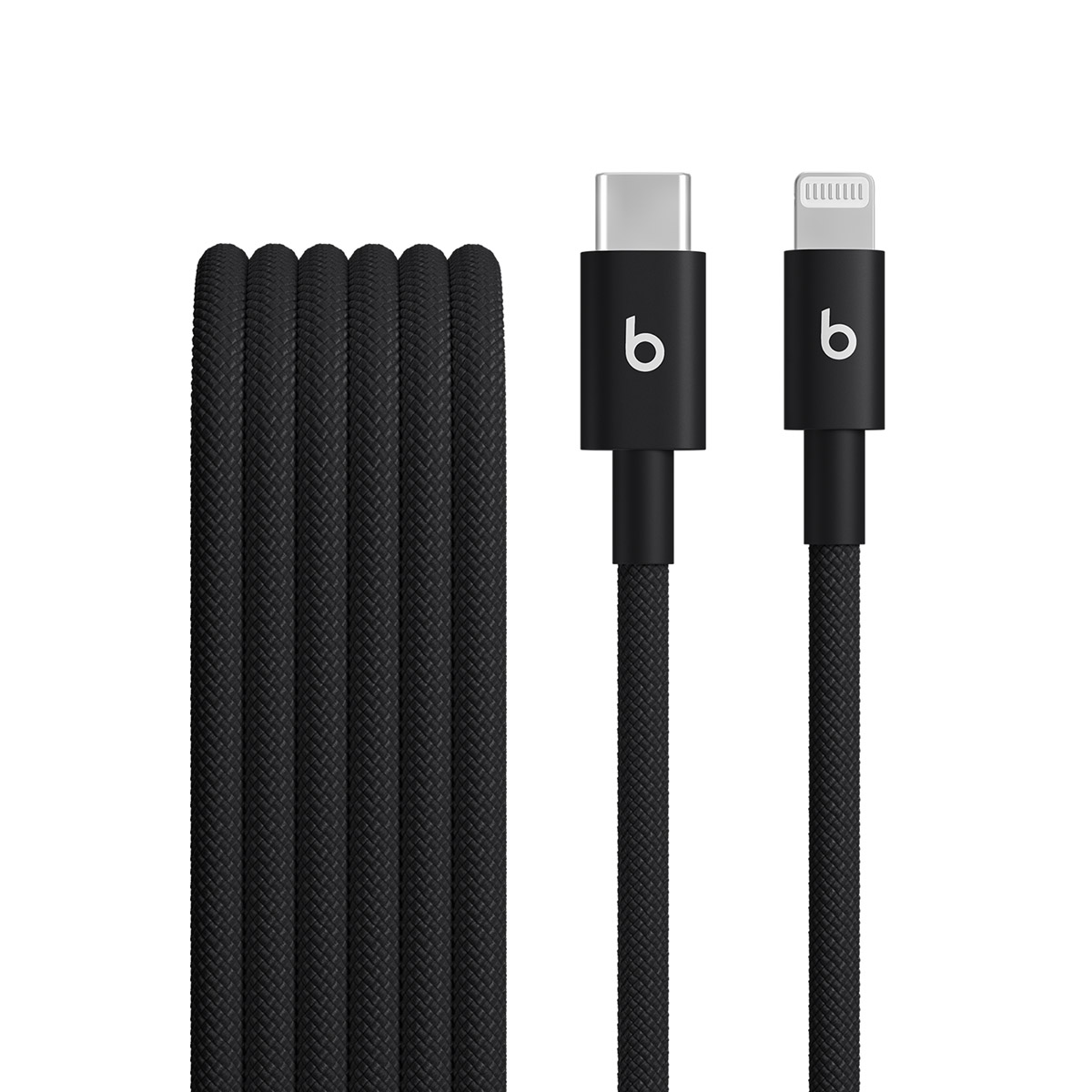
Out of stock — restocking soon5


Buying guide
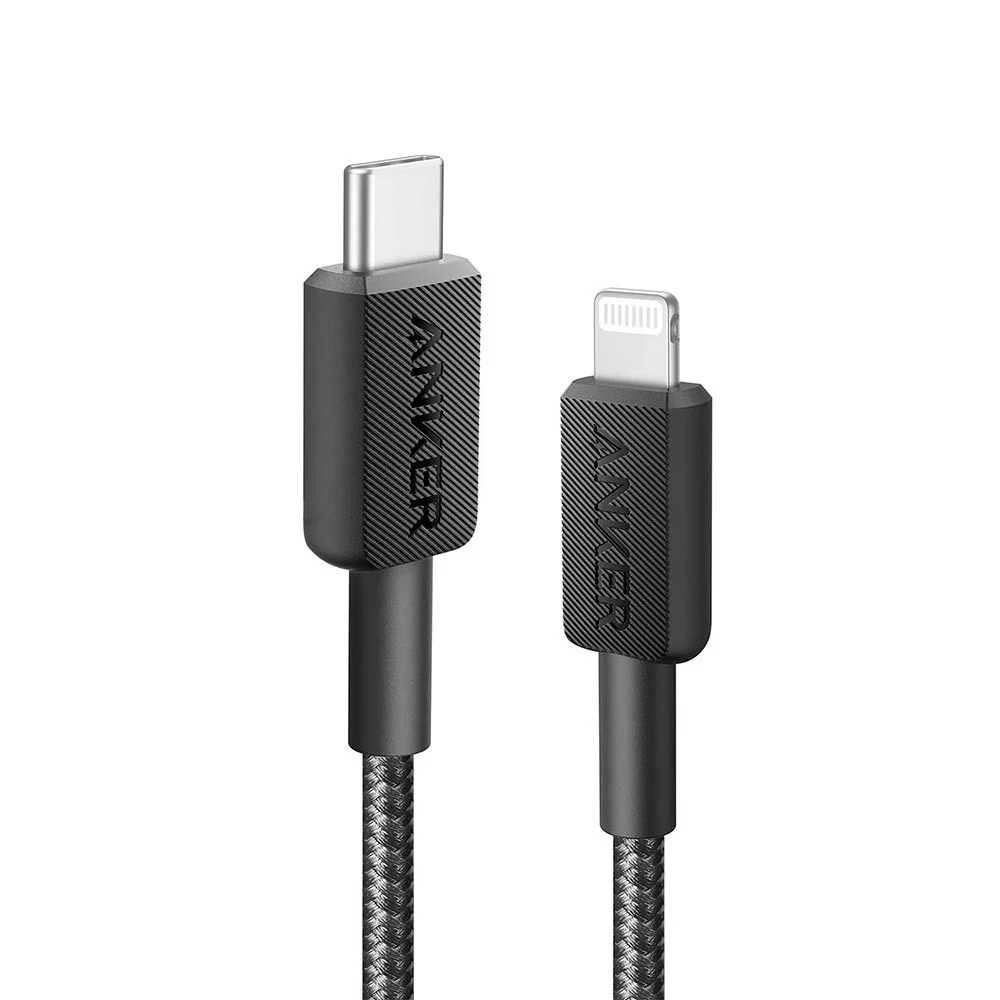
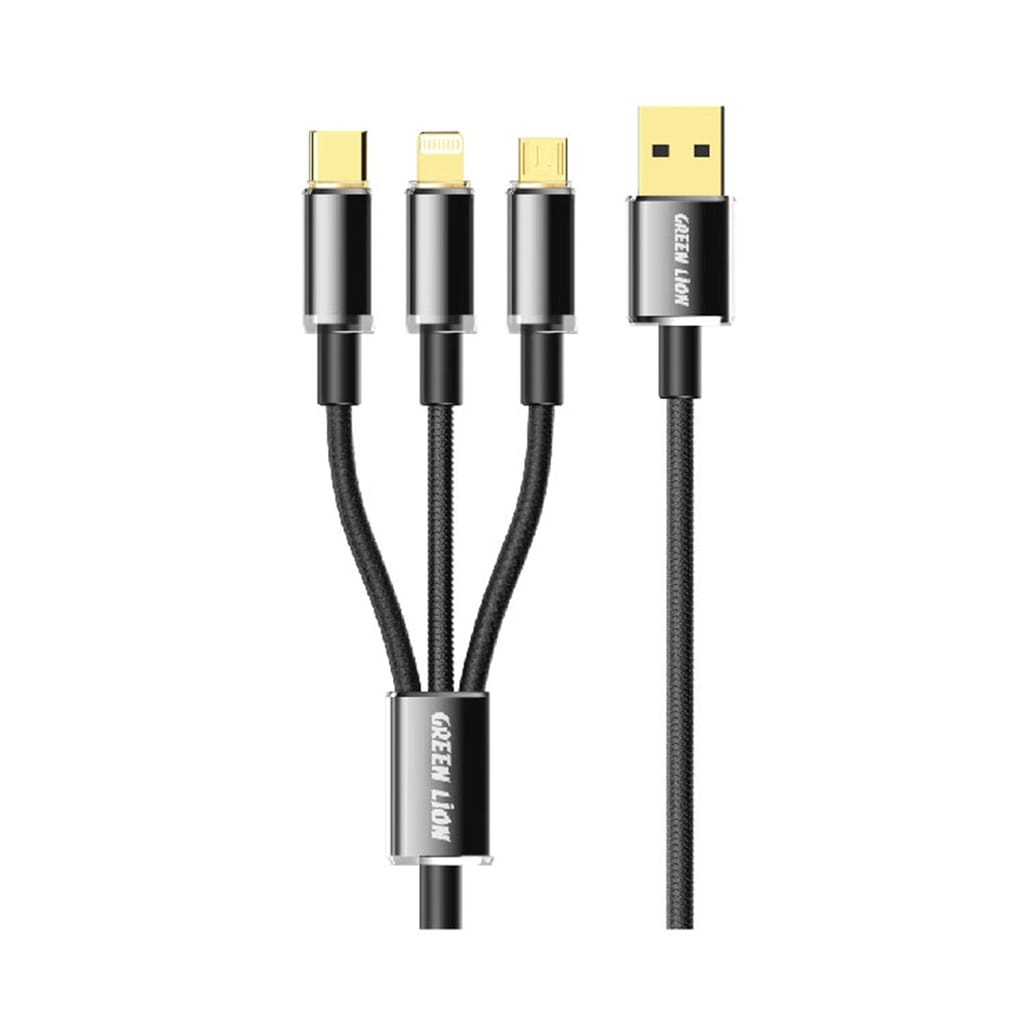
A slow cable will drag even a 140 W charger down to a trickle, so the cable comes first. Start with the connector on your device: USB-C covers current Android phones, iPads, laptops and new accessories. Lightning covers iPhones up to the 14 series — Apple's USB-C to Lightning cable, the Beats woven USB-C to Lightning, the Anker 322 braided USB-C to Lightning, and Powerology's 3 m and 30 cm versions. Micro-USB survives in older gear and is bundled on the Green Lion 3-in-1 cable. MagSafe is the wireless option for recent iPhones.
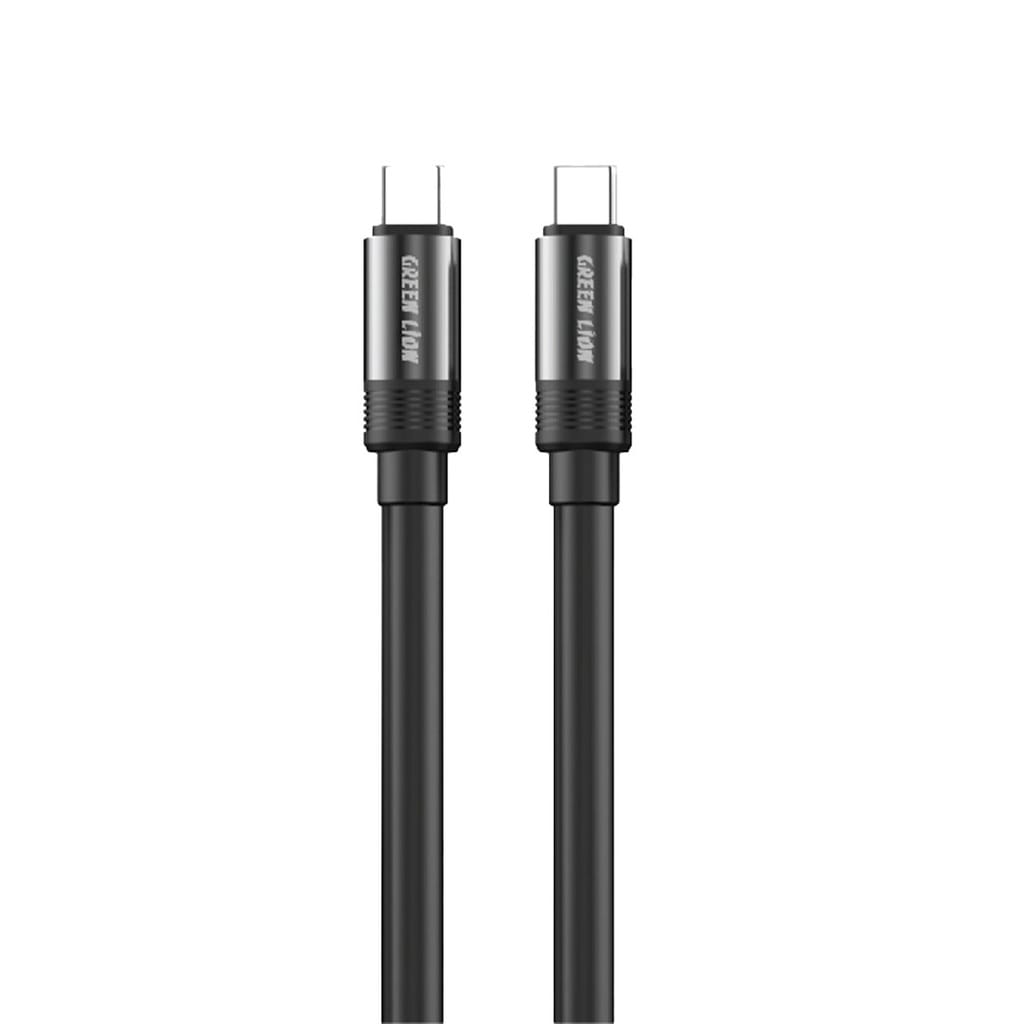
Next, the wattage rating. A 60 W USB-C to USB-C cable, such as the Green Lion Desert Spark or the Liquid Silicone, carries the 20 V/3 A fast charging needs; an unrated lead often manages only 18 W, so a fast phone on a cheap cable charges slowly and runs warm.
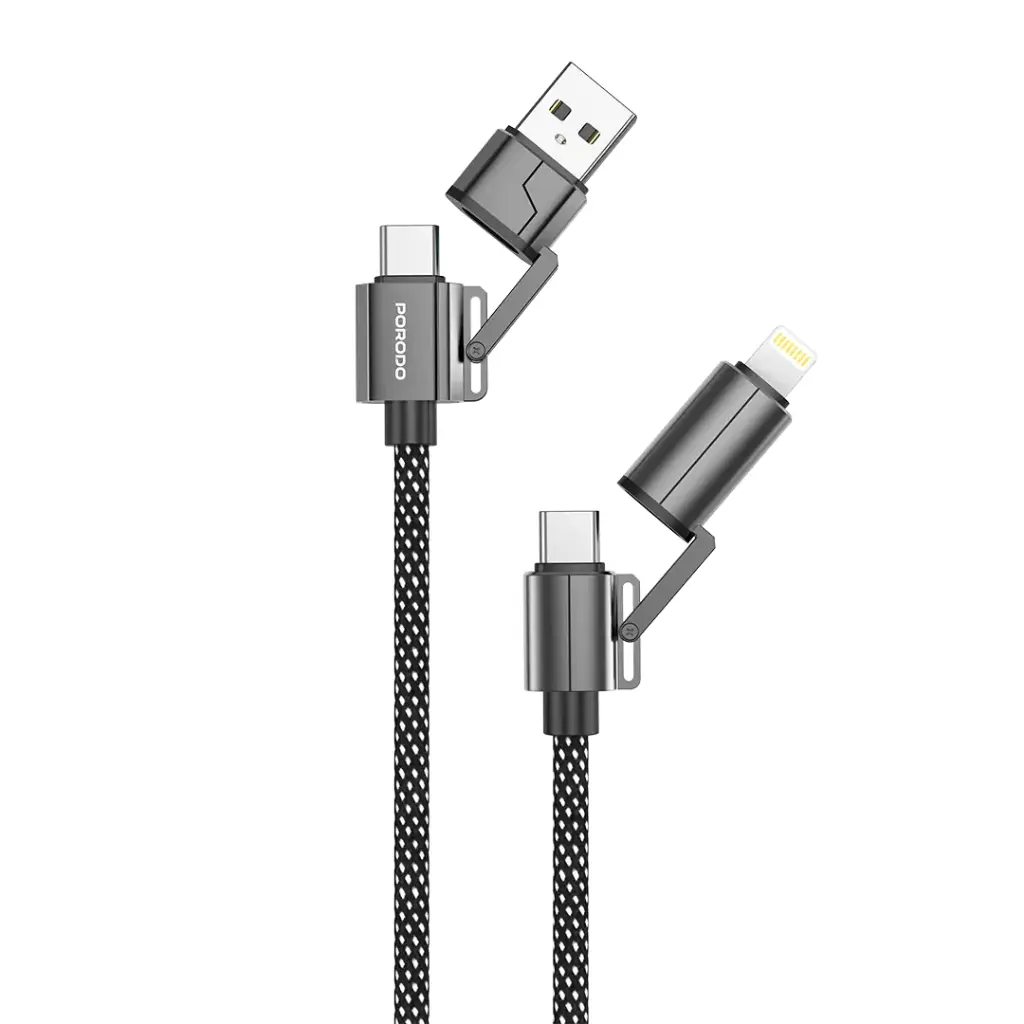
Length is the quiet trade-off: the 3 m Powerology cable is useful when the socket is across the room, but long runs add resistance, so the phone at the far end charges slower than from a 1 m lead. Braided jackets — the Anker 322, the Powerology braided pair, the Green Lion 3-in-1 — survive being coiled in a bag, and the liquid silicone jacket stays flexible in a hot car. The MagSafe 1 m and Apple's 60 W 1 m cables suit a desk you can reach, and the Porodo 4-cables-in-1 aluminium wire gives you several connector types in one body.
Frequently asked questions
Which cable does my iPhone need — USB-C to Lightning or USB-C to USB-C?
It depends on the model. iPhones up to the 14 series use the Lightning port, so you want a USB-C to Lightning cable: Apple's own USB-C to Lightning cable, the Beats USB-C to Lightning woven cable, the Anker 322 braided USB-C to Lightning, or Powerology's braided and 3 m versions, which are also the practical choice for a longer run. iPhone 15 and newer use USB-C on both ends, which means the USB-C to USB-C cables here — Apple's 60 W 1 m, the Green Lion Desert Spark 60 W, the Liquid Silicone 60 W or the Powerology Type-C to Type-C — charge them at full speed. Older iPhones with Lightning also top out around 20 W regardless of the cable.
Does a longer cable charge my phone more slowly?
Yes, mildly. Electricity loses a little energy to resistance over distance, so the phone sees a lower voltage at the far end of a 3 m lead than at the end of a 1 m one. For the Powerology 3 m cable that trade is worth it when the socket is on the other side of the room and you are topping up overnight rather than racing to 50 % in fifteen minutes. For a desk where you want the fastest possible top-up, the 30 cm Powerology braided cable or Apple's 1 m USB-C cable loses nothing. Very long runs also cut the speed of file transfers, which matters if you are moving photos off a phone.
Is a 60 W USB-C cable worth buying if I only own a phone?
Almost always, because a 60 W cable is a superset of what a phone needs. A phone will pull only as much power as its own fast-charge limit allows, so the extra headroom costs you nothing at the device end, while the same cable will charge a tablet, an earbuds case or a laptop later. The 60 W rating on the Green Lion Desert Spark and Liquid Silicone cables means they are built for 20 V/3 A output rather than the 18 W that unmarked USB-C leads often manage. If you travel with one lead and one charger, buy the 60 W version and stop thinking about it.
Will these cables hold up in UAE summer heat, and can I leave them in the car?
They do better than thin plastic leads, but no cable should live in a parked car. Braided and woven jackets — the Anker 322, the Powerology braided pair, the Beats woven cables and the Green Lion 3-in-1 — keep their shape when coiled and resist scuffing, and the Green Lion Liquid Silicone stays flexible where stiff PVC would go brittle. Summer cabin temperatures sit far above the 45–50 °C outside air, and that is what softens connector plastic and degrades the cable's insulation. Carry them with you, keep the ends dry, and let a wet connector air-dry fully before plugging in.